24/7 Support
Our team is available around the clock to respond to any urgent transport situation.

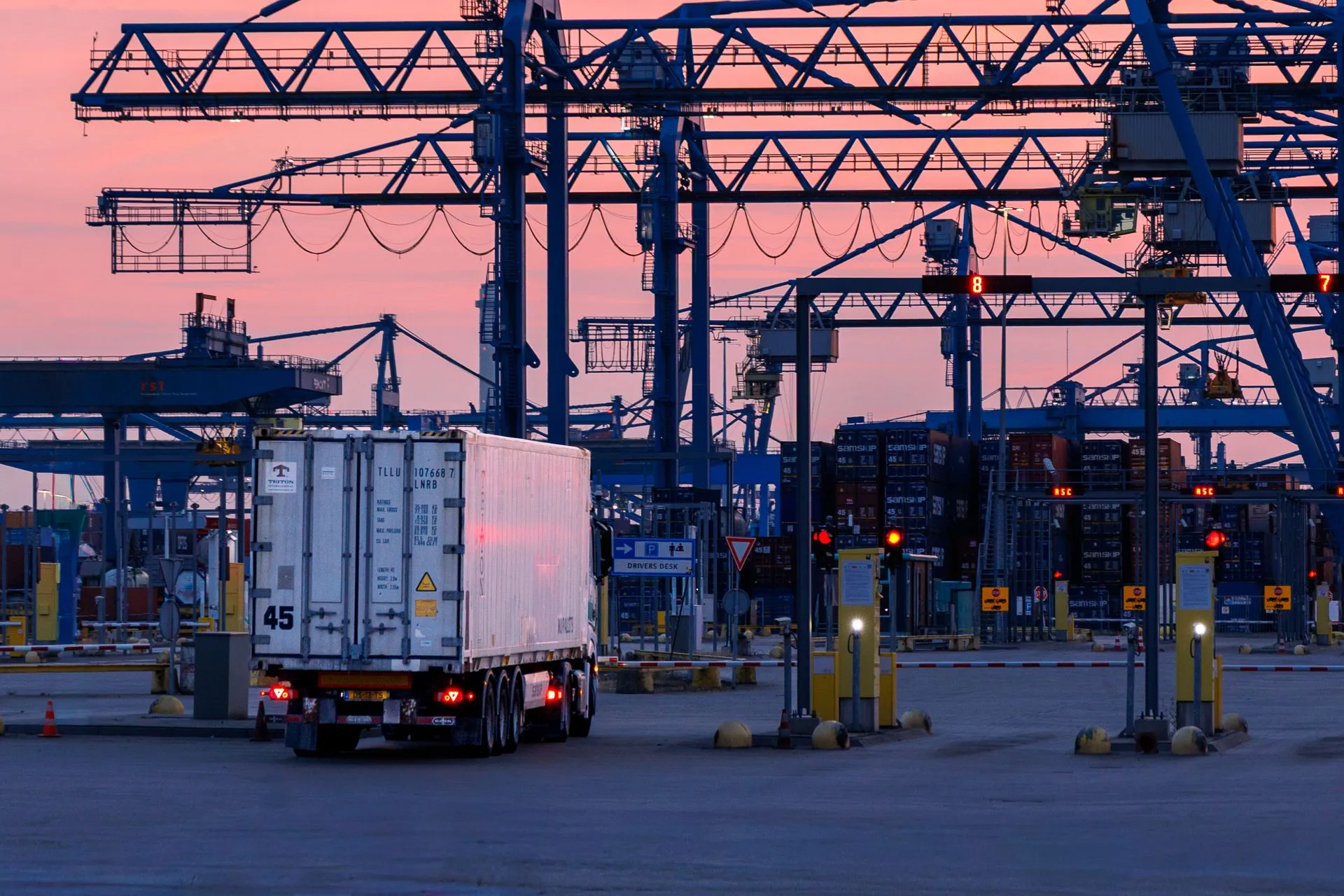
Combining transport modes for maximum efficiency
Intermodal transport combines the advantages of multiple transport modes — road, rail, maritime and air — to offer optimal logistics solutions in terms of cost and time.
Through intelligent use of available infrastructure and our strategic partnerships, we design complete logistics chains that minimize costs, reduce carbon footprint and ensure on-time delivery.
What we include
Maximum flexibility through intelligent combination of road, rail, maritime and air transport modes.
We select the ideal combination of road, rail, maritime or air transport for each route and cargo type.
Rail and maritime transport for long distances combined with local road distribution — real savings versus pure road transport.
Extensive network of connections in Europe, Asia and America for any destination through integrated multimodal transport.
We manage the entire logistics operation — one contract, one point of contact, complete responsibility.
Rail and maritime modes significantly reduce CO₂ emissions compared to pure road transport over long distances.
Complete transport visibility across all modes through our real-time monitoring platform.
Simple process
We design the optimal logistics chain for your cargo, combining transport modes based on cost, time and destination.
We assess the cargo, destination, deadline and available budget to identify the most efficient combination of transport modes.
We build the optimal intermodal route — for example road to rail terminal, rail for the long haul, road for last-mile delivery.
We coordinate all involved partners: rail operators, shipping lines, terminals and road carriers — you have a single point of contact.
Our platform integrates tracking data from all modes, giving you complete real-time visibility throughout the journey.
We manage last-mile delivery and send complete documentation, including customs clearance where applicable.
Why us
We are more than a transport provider — we are your long-term logistics partner.
Our team is available around the clock to respond to any urgent transport situation.
We provide quotes and transport confirmations as quickly as possible, without bureaucracy.
All our shipments are fully insured, giving you peace of mind regardless of type or distance.
Transparent and competitive rates, without hidden costs or unpleasant surprises on the invoice.
From pickup to delivery, we manage all logistics for you with full responsibility.
FAQ
Share your cargo, route and deadline through our instant quote platform. We design the optimal combination of transport modes and come back with a tailored offer as quickly as possible.
Usually slightly longer than direct road — as a guideline, 3-6 business days on major European corridors, depending on rail connections. In return you get lower costs and highly predictable schedules on regular routes.
Palletized or containerized goods in standard units — containers and swap bodies — are ideal. The service works best for larger volumes and regular long-distance flows, where the savings are most visible.
Our platform merges tracking data from road, rail and sea into a single real-time view. You have one contract, one point of contact and complete documentation, including CMR and insurance cover.
Shifting the long-haul leg to rail or sea significantly cuts CO₂ emissions compared with road-only transport. On request, we provide emissions reports for your shipments to support your company's sustainability targets.
Roughly 16-22 days door-to-door — significantly faster than sea freight (30-40 days) and far cheaper than air freight. We operate through the Khorgos, Brest, Małaszewicze and Duisburg terminals, using block trains or consolidated wagons.
Standard 20', 40', 40' HC and 45' containers, swap bodies and craneable semi-trailers. A 60' flat wagon takes two 20' containers or one 40' container, with a maximum payload of 30 tonnes.
The rail leg reduces the carbon footprint by up to 75% compared with the equivalent road haul, while long-distance costs drop by 40-60% versus the air alternative. It is the preferred solution for companies with ESG targets.
Our team will get back to you in under 2 hours with a personalized quote — no bureaucracy.