24/7 Support
Our team is available around the clock to respond to any urgent transport situation.

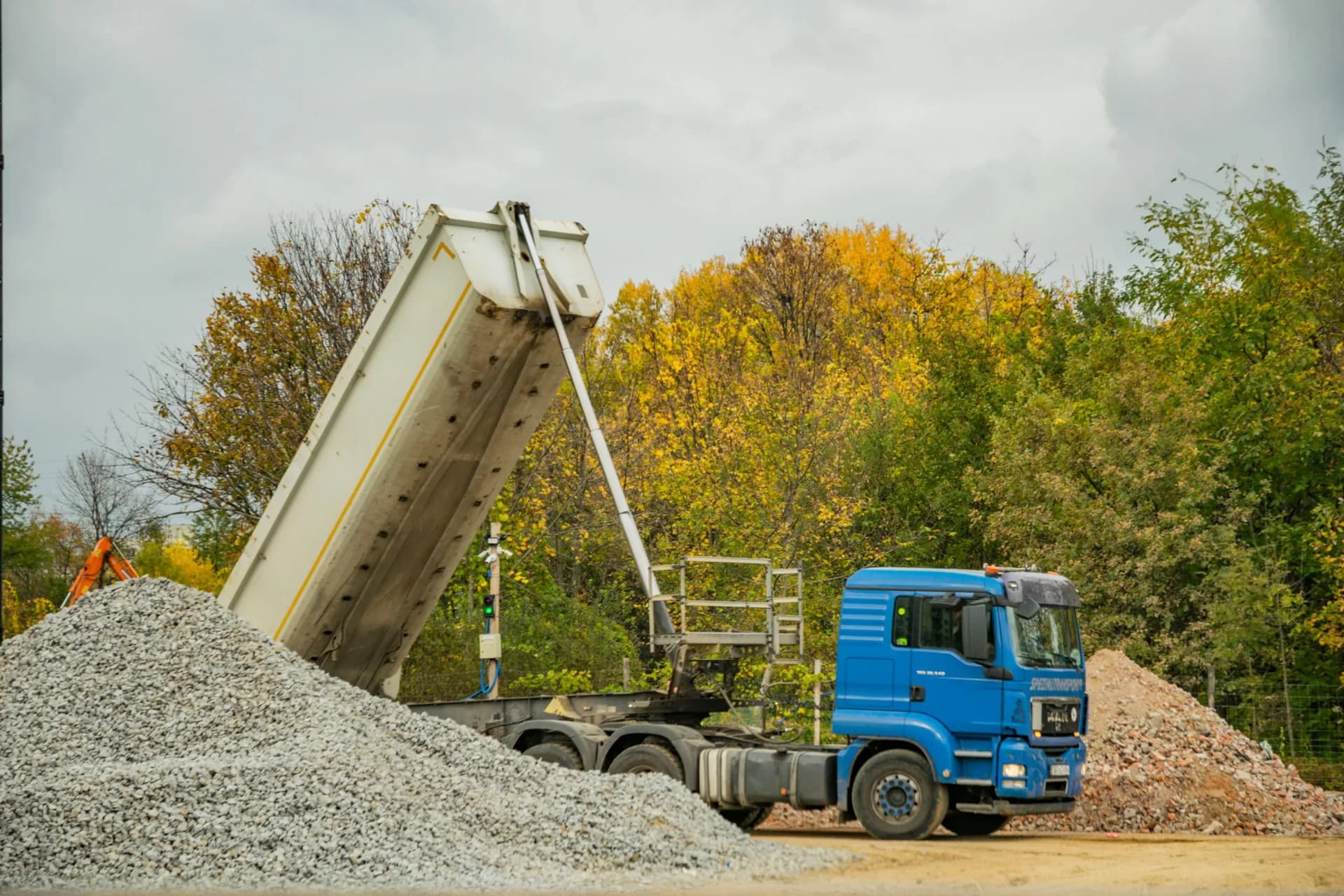
Grain, aggregates, construction materials and waste, with the vehicle chosen by cargo density and by how it can be unloaded on site
Bulk transport · Romania and Europe
Bulk cargo has no packaging: it is loaded straight into the body and unloaded by tipping, with a moving floor or by gravity. That is why the vehicle is chosen by cargo density, and the unloading point matters as much as the route.
As a freight forwarder, we coordinate domestic and international solid bulk transport through a network of vetted partner carriers, with bodies cleaned between loads and weighing at both collection and delivery.
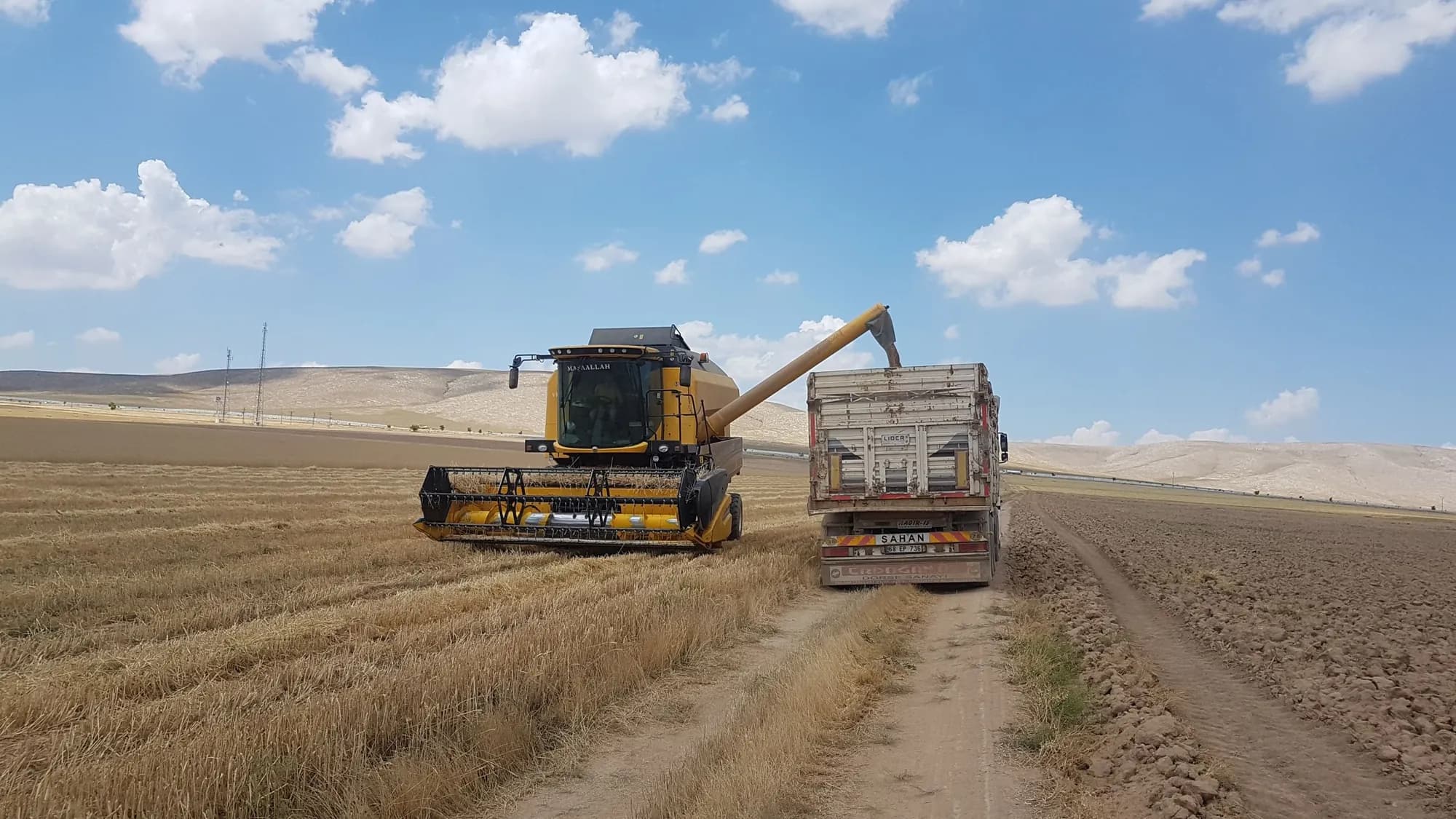
What we cover
From choosing the body to the weighbridge ticket at unloading.
We set the quantity from the cargo density, so the vehicle leaves full without exceeding legal axle loads.
Tipping, moving floor or gravity discharge — chosen for the space and clearance available at destination.
Washing, disinfection and complete drying between loads, with proof for cargo sensitive to contamination.
CMR, weighbridge tickets at both ends, plus the paperwork required for waste or cross-border shipments.
For grain, feed and bulk foodstuffs we apply the European requirements on vehicles and transport conditions.
Sheeting and covers against spillage and moisture on the road, plus CMR insurance for the whole journey.
Three things that decide whether the cargo arrives intact and at the weight sent.
How we work
Four stages, the same for domestic and international transport.
We establish the cargo type, density, quantity and whether it is sensitive to moisture or contamination.
We choose the right body and agree the cleaning required before loading.
The cargo is loaded, covered and weighed, and the ticket travels with the shipment.
Unloading by the agreed method, weighing at destination and confirmation of the quantity delivered.
Solid bulk covers cargo that differs widely in density and sensitivity. Each gets the vehicle and the cleaning standard it needs.
Vehicles for bulk
Not every site allows tipping. Clearance, slope and the space behind the vehicle matter as much as the cargo itself.
35–45 m³, fast discharge by tipping. Needs space behind and overhead clearance.
Unloads without raising the body — useful indoors and under power lines.
Gravity discharge through side hatches, for grain and animal feed.
Up to 90 m³ for light cargo, where volume fills before tonnage.
For small quantities and difficult access, on narrow roads or inside towns.
For waste and collected materials, with container swap on site.
How we pick the vehicle
With bulk, the limit comes from two directions: either the volume fills up, or the maximum axle load is reached. Heavy cargo such as gravel hits the tonnage at half a body, while light cargo such as sawdust fills the volume long before the tonnage.
That is why we ask about density and about the unloading point from the start. The right vehicle means fewer trips and an unloading that needs no improvisation.
A guide, by cargo type
Grain, feed
Usual vehicleGrain trailer or cleaned tipper
A clean body and discharge that leaves no residue.
Sand, gravel, ballast
Usual vehicleTipper semi-trailer
High density: tonnage is reached before volume.
Sawdust, biomass
Usual vehicleWalking floor or high-volume body
Low density: volume is the limit.
Waste, recyclables
Usual vehicleWalking floor or roll-off container
Transfer documents and access to the collection point.
Cement, lime
Usual vehiclePowder tanker or covered body
Protection against moisture and spillage.
Small quantities
Usual vehicle8–18 t tipper truck
Access in towns and on narrow roads.
| Cargo | Usual vehicle | What decides it |
|---|---|---|
| Grain, feed | Grain trailer or cleaned tipper | A clean body and discharge that leaves no residue. |
| Sand, gravel, ballast | Tipper semi-trailer | High density: tonnage is reached before volume. |
| Sawdust, biomass | Walking floor or high-volume body | Low density: volume is the limit. |
| Waste, recyclables | Walking floor or roll-off container | Transfer documents and access to the collection point. |
| Cement, lime | Powder tanker or covered body | Protection against moisture and spillage. |
| Small quantities | 8–18 t tipper truck | Access in towns and on narrow roads. |
Related services
Packaged, liquid or dangerous goods need a different vehicle and different paperwork.
Why us
We are more than a transport provider — we are your long-term logistics partner.
Our team is available around the clock to respond to any urgent transport situation.
We provide quotes and transport confirmations as quickly as possible, without bureaucracy.
All our shipments are fully insured, giving you peace of mind regardless of type or distance.
Transparent and competitive rates, without hidden costs or unpleasant surprises on the invoice.
From pickup to delivery, we manage all logistics for you with full responsibility.
Frequently asked questions
What matters before sending a truck for bulk cargo.
It depends on the density. A tipper semi-trailer holds 35 to 45 cubic metres, and high-volume bodies reach 90. With aggregates you hit roughly 25 tonnes before the body is full, while with grain or sawdust the volume fills before the tonnage. That is why we ask for the cargo type from the start, not just the number of cubic metres.
The cargo is weighed at collection and at delivery, and the weighbridge ticket travels with the shipment. For bulk, the accepted tolerance on the general weighbridge is 100 kilograms. If the ticket at unloading shows a larger difference, we claim compensation from the carrier for the shortfall above that threshold.
The body is washed, disinfected and dried completely between loads. For grain, feed and foodstuffs we ask for proof of cleaning before loading and assign vehicles that carried compatible cargo.
This happens often indoors, under power lines or on sloping ground. In such cases we send a walking floor vehicle, which unloads without raising the body, or a trailer with gravity discharge. That is why we ask what the unloading point looks like before confirming the vehicle.
Yes — non-hazardous waste, biomass, sawdust and recyclables. Carrying them requires transfer documents, and international routes add the formalities for cross-border waste shipments. We prepare these together before loading.
Both. For international routes we plan the weighing points, the tonnage restrictions along the way and the documents required in each country crossed.
Our team will get back to you in under 2 hours with a personalized quote — no bureaucracy.