24/7 Support
Our team is available around the clock to respond to any urgent transport situation.

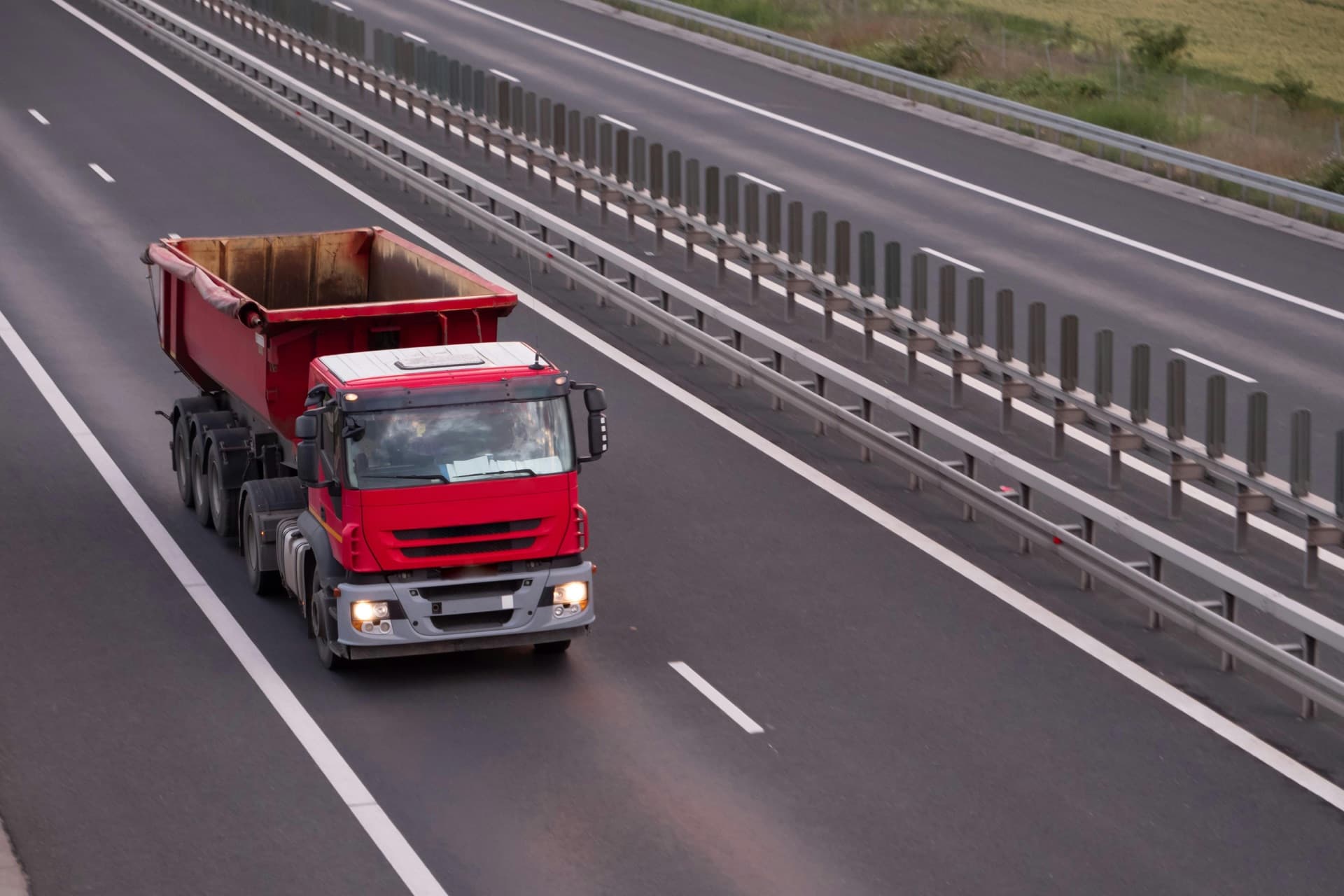
The road leg between the terminal and your address, with the chassis matched to the container type and the free time tracked day by day
Containers on a chassis · Romania and Europe
Moving the container on a chassis — drayage, as the trade calls it — looks like the simple part of the chain: a few dozen or a few hundred kilometres between the terminal and the destination. In practice this is where the costs that never appear on the freight rate pile up: the container sitting in the terminal, free time overrun, a missed slot, an empty run on the way back.
We coordinate the leg end to end: booking the terminal slot, the chassis matched to the container type, checking the weight against road limits, the run to the address and the return of the empty container on time. We prepare the customs documents in parallel, so the goods do not wait on paperwork.
What we cover
From the terminal gate to your loading bay and back.
We collect the container from seaport and inland intermodal terminals, with the slot booked and the gate-out documents ready.
A fixed chassis for 20 and 40 feet, extendable for mixed lengths, with a genset where a reefer has to be powered on the road.
We prepare the transport documents and coordinate the customs formalities, transit included, so the goods do not wait on paperwork.
We verify the gross mass against the road limits and the distribution across the axles, and where needed we propose a route or a configuration that fits.
We schedule the return to the depot named by the carrier, inside the free time, so no detention charges build up.
You see where the container is for the whole leg, including the time spent inside the terminal.
In drayage, the difference is not made on the rate per kilometre.
How we work
Five stages, and the last is the one everybody forgets.
You give us the container number, the terminal, the delivery address and the date the free time expires.
We book the terminal slot, allocate the right chassis and check the weight against the limits along the route.
We lift the container out of the terminal with the gate-out documents ready and the seal verified.
The run to the address, with GPS tracking and, for a reefer, the temperature held throughout.
Unloading at the address, then the empty container returned to the named depot, inside the free time.
The container type decides the chassis and, in some cases, the route as well.
The specific challenge
Every container comes with a number of free days, agreed in the freight contract. After them two different charges begin, and people routinely confuse them: demurrage, when the container stays in the terminal beyond the deadline, and detention, when the container is with you and has not gone back to the depot. Both are counted per day, both escalate in steps, and on ordinary cargo they can exceed the cost of the road leg itself.
That is why we plan the run from the date the free time expires, not from the date a truck is available. We track the days left for every container, schedule the unloading and the return inside the deadline, and warn you in advance when the goods risk staying with you longer than the contract allows.
Dimensions and weights
The values below are the usual ones for ISO containers. They vary slightly from one carrier to another, so we confirm the ones on your own document before the run.
On the road, though, a different limit applies: the total mass of the combination. In intermodal container transport it rises to 44 tonnes, and the real payload is whatever fits under it once the tractor unit, the chassis and the container tare are deducted.
Common containers
20' standard
Volume and tareapprox. 33 m³, tare approx. 2.2 t
Dense cargo hits the weight limit before the volume.
40' standard
Volume and tareapprox. 67 m³, tare approx. 3.8 t
The most common case on a fixed 40-foot chassis.
40' high cube
Volume and tareapprox. 76 m³, internal height 2.69 m
We check the vertical clearance at underpasses and tunnels.
45' high cube
Volume and tareapprox. 86 m³
Calls for an extendable chassis and care over total length.
40' reefer
Volume and tareapprox. 59 m³, tare approx. 4.5 t
Thicker walls, less volume, genset for the length of the run.
| Type | Volume and tare | What matters on the road |
|---|---|---|
| 20' standard | approx. 33 m³, tare approx. 2.2 t | Dense cargo hits the weight limit before the volume. |
| 40' standard | approx. 67 m³, tare approx. 3.8 t | The most common case on a fixed 40-foot chassis. |
| 40' high cube | approx. 76 m³, internal height 2.69 m | We check the vertical clearance at underpasses and tunnels. |
| 45' high cube | approx. 86 m³ | Calls for an extendable chassis and care over total length. |
| 40' reefer | approx. 59 m³, tare approx. 4.5 t | Thicker walls, less volume, genset for the length of the run. |
Related services
The road leg is one link. The rest of the chain has its own pages.
Why us
We are more than a transport provider — we are your long-term logistics partner.
Our team is available around the clock to respond to any urgent transport situation.
We provide quotes and transport confirmations as quickly as possible, without bureaucracy.
All our shipments are fully insured, giving you peace of mind regardless of type or distance.
Transparent and competitive rates, without hidden costs or unpleasant surprises on the invoice.
From pickup to delivery, we manage all logistics for you with full responsibility.
Frequently asked questions
The leg is short, but its rules are not those of an ordinary transport. Here is what matters.
Standard 20 and 40 foot containers, 40 and 45 foot high cubes, reefers powered by a genset, open top and flat rack, and tank containers, the ADR regime included. The container type decides the chassis: fixed for standard lengths, extendable for mixed ones, with a genset for reefers.
On the road what counts is the total mass of the combination, not just the container's maximum gross weight. In intermodal container transport the limit rises to 44 tonnes, and the real payload is what remains once the tractor unit, the chassis and the container tare are deducted — usually somewhere between 26 and 28 tonnes, depending on the configuration. We confirm the figure for your case before the run.
They are two different charges that get confused constantly. Demurrage is paid when the container stays in the terminal beyond the free time in the contract; detention, when the container is already with you and has not gone back to the depot on time. Both are counted per day and escalate in steps. You avoid them by planning the run from the date the free time expires rather than from truck availability — we track the days left and schedule the unloading and the return inside the deadline.
Yes, we prepare the transport documents and coordinate the customs formalities, including the transit regime where it applies. That way the goods do not wait on paperwork and the container does not build up days sitting in the terminal.
VGM is the verified gross mass of the container, mandatory for sea export under the SOLAS convention. The declaration falls to the shipper named on the transport document, and the figure has to reach the shipping line before its cut-off. We tell you the cut-off for your booking and align the weighing with the collection schedule.
Yes. We bring the empty container from the depot to your address for loading and take it to the terminal for export, with the slot booked and the documents ready. We schedule the run so the loading fits inside the window before the port cut-off.
Our team will get back to you in under 2 hours with a personalized quote — no bureaucracy.