24/7 Support
Our team is available around the clock to respond to any urgent transport situation.

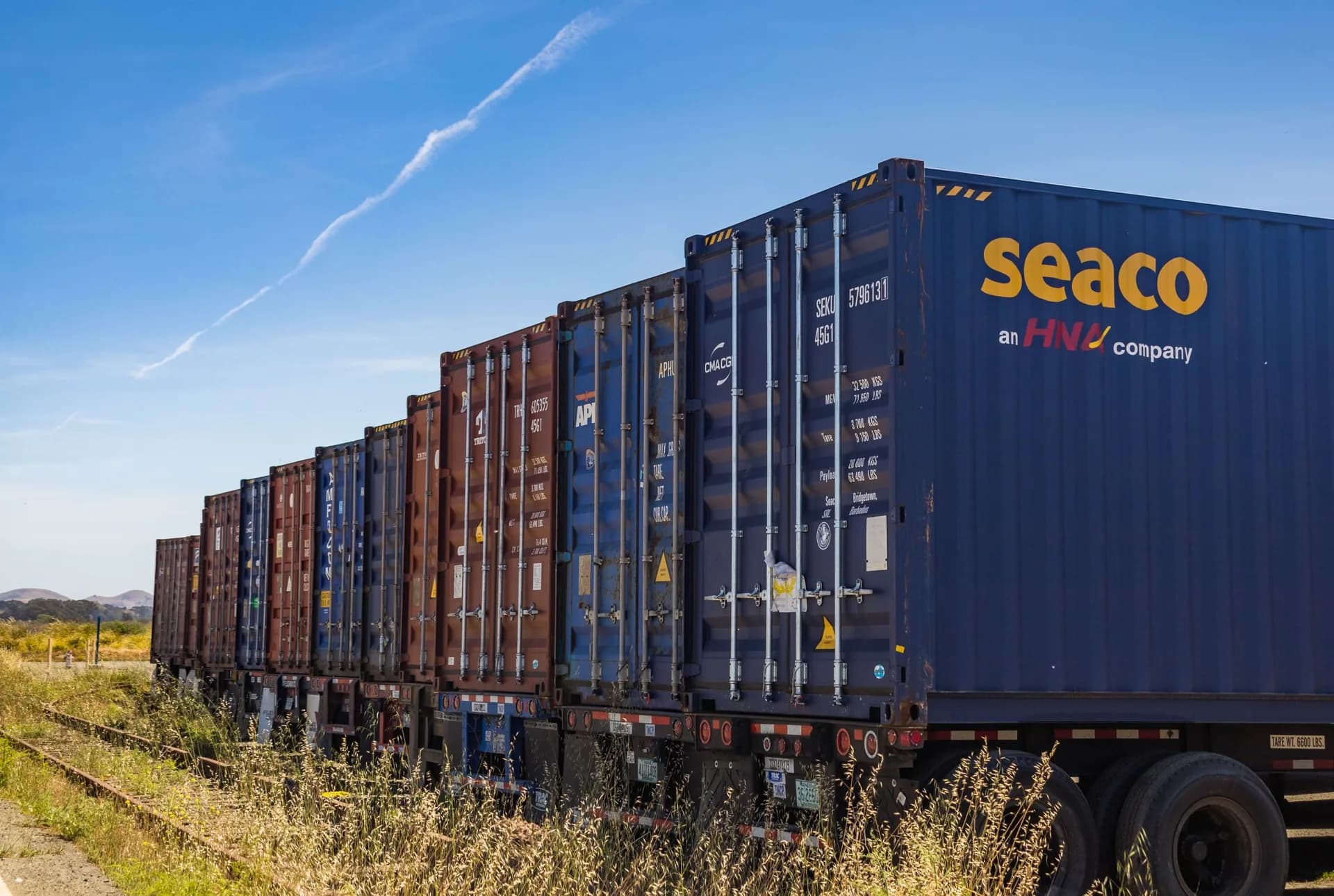
Over long distances and at volume, rail costs less than road — with a terminal at each end and a truck for the first and last leg
Rail freight · Europe and Asia
Rail starts to beat road at around seven hundred kilometres and at volumes that fill whole wagons. A train runs to a timetable, not to traffic: no jams, no weekend bans and no driving-hour limits.
As a freight forwarder, we coordinate the move through partner rail operators and terminals, from choosing the right wagon for the cargo to the truck that covers the first and last leg.
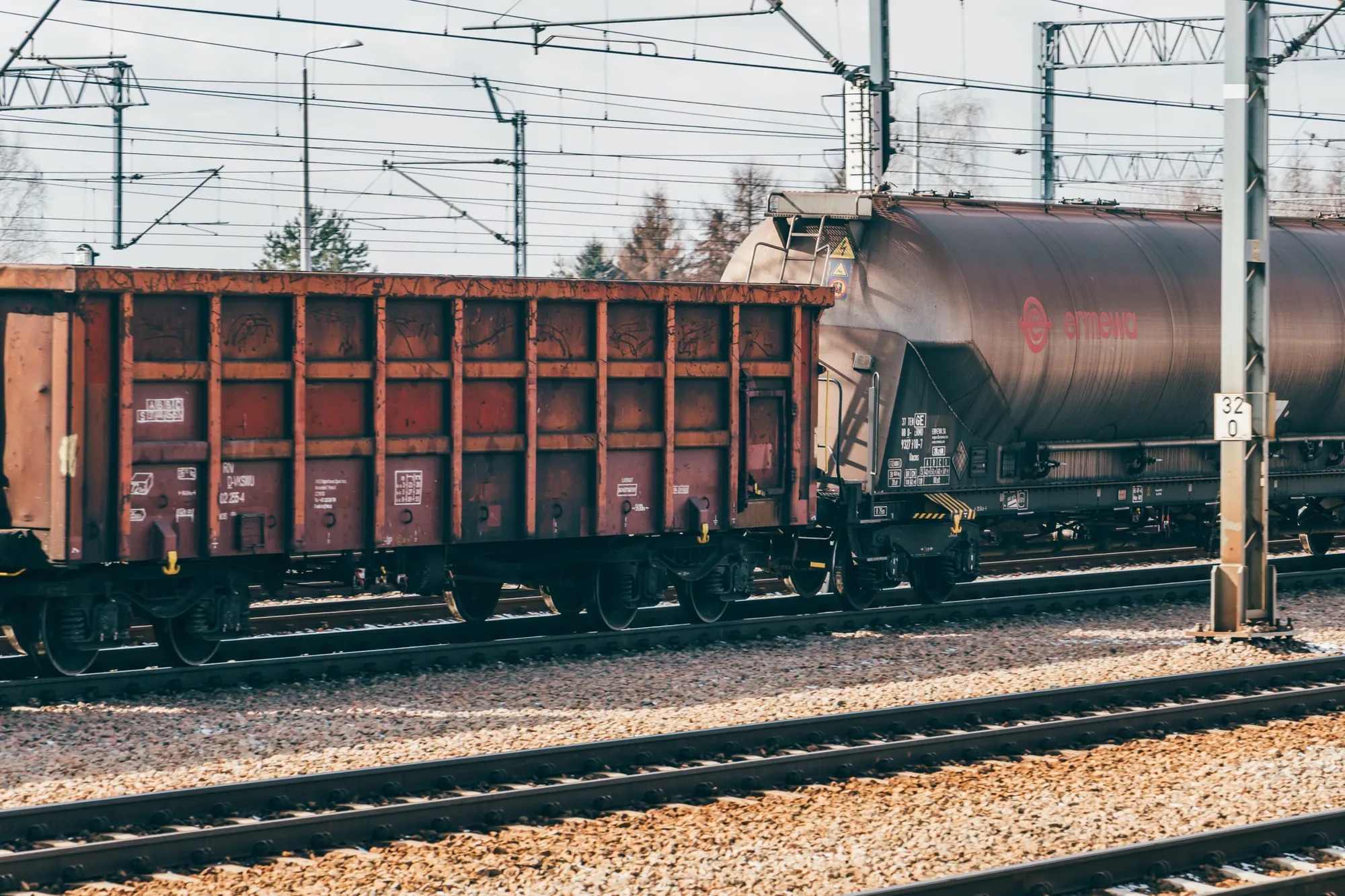
What we cover
From booking the slot to the truck at destination.
We book whole wagons when the cargo fills them, or space on a groupage train when it does not.
Twenty, forty and forty-five foot containers on flat wagons, lifted straight onto a truck at the terminal without being opened.
We issue CIM for Europe and SMGS for eastbound routes, including the stretch where both are needed.
A truck from the sender to the departure terminal and from the arrival terminal to the consignee, timed to the train.
Trains leave on schedule. We book the slot early and tell you from the start which day the cargo goes on rail.
Continuous cover across the chain, including transshipment and the gauge change, where the cargo is handled.
Three things that decide whether rail comes out cheaper or merely more complicated.
How we work
Four stages, the same for one wagon and for a whole train.
We set the departure and arrival terminals based on where the cargo and the consignee actually are.
We choose the wagon type and book the place on the train, with the loading day confirmed.
We issue the consignment note, CIM or SMGS, together with the commercial and customs documents.
The cargo travels by rail, passes transshipment where needed, and a truck takes it to the final address.
Rail is built for large quantities over long distances, where a few extra days do not break the plan.
Wagons
The wagon type decides how the cargo is loaded, how it comes off, and how sheltered it is on the way.
Takes one forty or forty-five foot container, or two twenty-footers. Loaded and unloaded by terminal crane.
For cargo that must stay dry: pallets, sacks, grain, packaged goods.
For heavy bulk and steel products. Unloaded by tipping or with a grab.
For liquids, including goods under RID rules, cleaned between loads.
Double-deck wagons for batches of new cars delivered to dealers.
For project pieces, where the rail loading gauge along the whole route decides what fits.
How we pick the wagon
On rail the choice is simpler than on the road, because wagons are standardised. What really matters is how the cargo is loaded and unloaded at the two terminals, because that is where time is won or lost.
The second question is the loading gauge. A machine that sits comfortably on a trailer may not clear a railway bridge, and that is checked along the whole route before anything is booked.
A guide, by cargo type
20' and 40' containers
WagonContainer flat wagon
Lifted straight onto a truck at the terminal.
Grain, fertilisers
WagonCovered wagon
Kept dry until unloading.
Coal, ore, aggregates
WagonGondola
Unloaded by tipping or with a grab.
Timber, steel products
WagonOpen wagon with stanchions
Secured lengthwise, loaded from above.
Liquids and RID goods
WagonTank wagon
RID paperwork and cleaning between loads.
Project pieces
WagonLow-floor wagon
Loading gauge checked along the route.
| Cargo | Wagon | What decides it |
|---|---|---|
| 20' and 40' containers | Container flat wagon | Lifted straight onto a truck at the terminal. |
| Grain, fertilisers | Covered wagon | Kept dry until unloading. |
| Coal, ore, aggregates | Gondola | Unloaded by tipping or with a grab. |
| Timber, steel products | Open wagon with stanchions | Secured lengthwise, loaded from above. |
| Liquids and RID goods | Tank wagon | RID paperwork and cleaning between loads. |
| Project pieces | Low-floor wagon | Loading gauge checked along the route. |
Related services
Rail is almost always combined with another mode.
Why us
We are more than a transport provider — we are your long-term logistics partner.
Our team is available around the clock to respond to any urgent transport situation.
We provide quotes and transport confirmations as quickly as possible, without bureaucracy.
All our shipments are fully insured, giving you peace of mind regardless of type or distance.
Transparent and competitive rates, without hidden costs or unpleasant surprises on the invoice.
From pickup to delivery, we manage all logistics for you with full responsibility.
Frequently asked questions
What matters before putting cargo on a train.
Usually beyond seven hundred kilometres and at volumes that fill at least one wagon. Below that, the two transshipments at either end eat up the saving made on rail. Rail also wins when cargo is heavy relative to its volume — steel products, bulk — because there a truck hits its weight limit long before it runs out of space.
Between sixteen and twenty-two days door to door, depending on the departure terminal and on congestion at the gauge change. By sea the same cargo takes around thirty to forty days; by air it arrives within days, but at several times the cost.
Yes. For smaller quantities we use rail groupage: your cargo shares a wagon or a container with other shipments. It costs less per unit, but it follows scheduled departures, so the lead time is longer than with a wagon booked outright.
The rail consignment note — CIM for Europe, SMGS for eastbound routes — plus the commercial invoice, packing list and EORI number for customs. Dangerous goods add RID documentation. We prepare these from the details you send us.
The European Union runs on 1435 mm track, while Ukraine, Moldova and Belarus run on 1520. At the crossing the cargo is either transshipped into wagons of the other gauge or the wagon has its bogies changed. It usually adds a day or two, and we build that into the transit time quoted at the start, not along the way.
By truck. We arrange both ends: collection from the sender to the departure terminal, and delivery from the arrival terminal to the consignee, timed to the train so the cargo does not sit in the terminal longer than it has to.
Our team will get back to you in under 2 hours with a personalized quote — no bureaucracy.